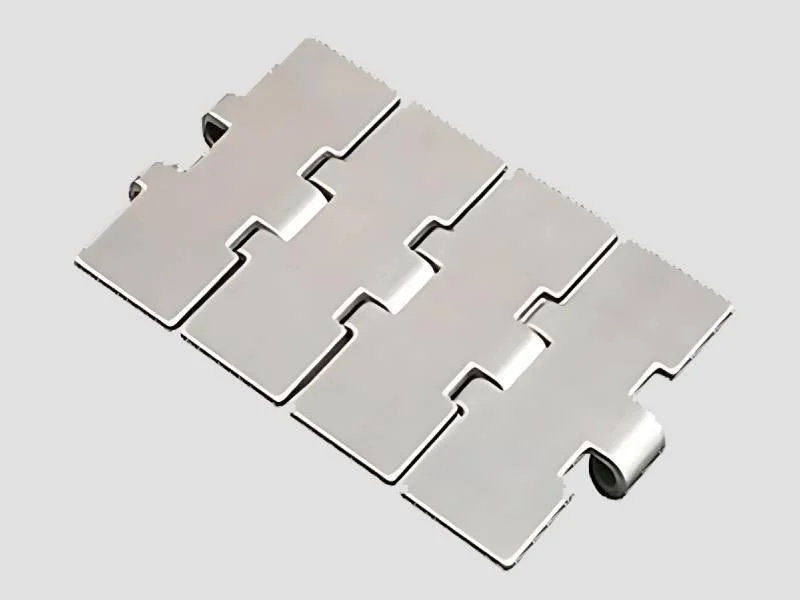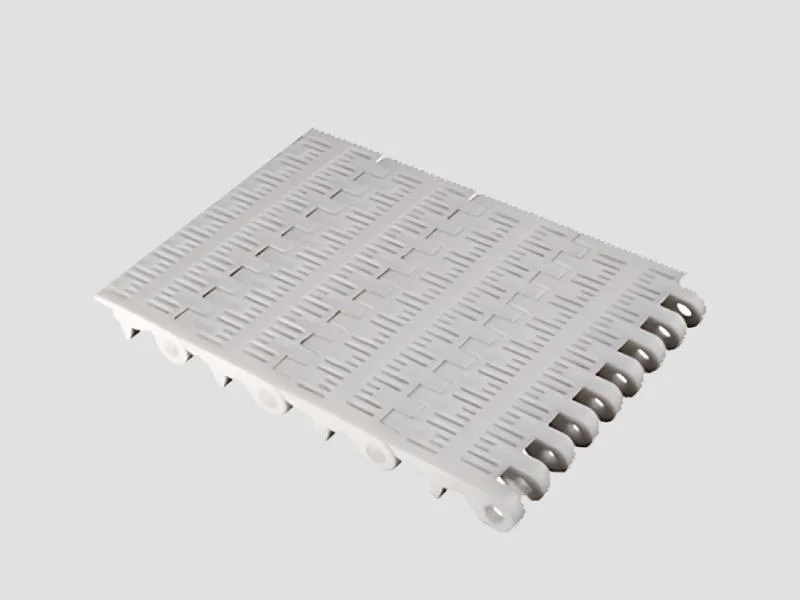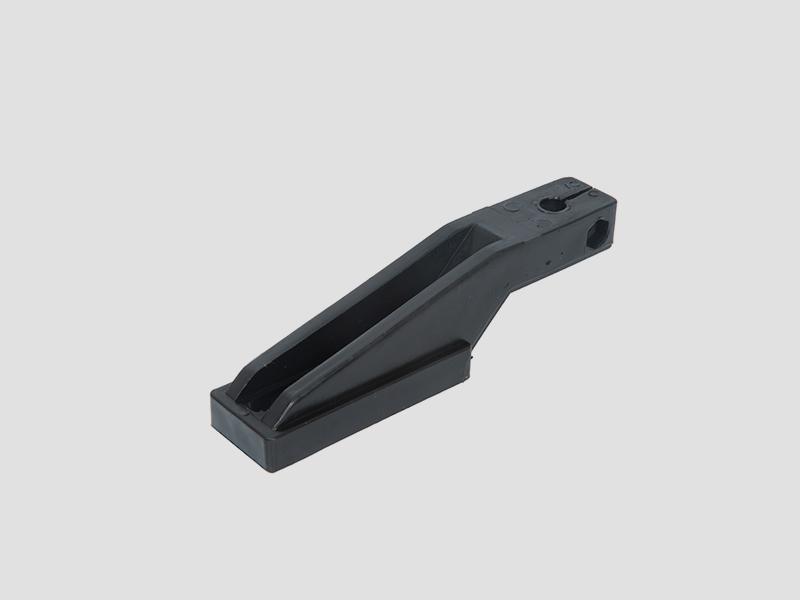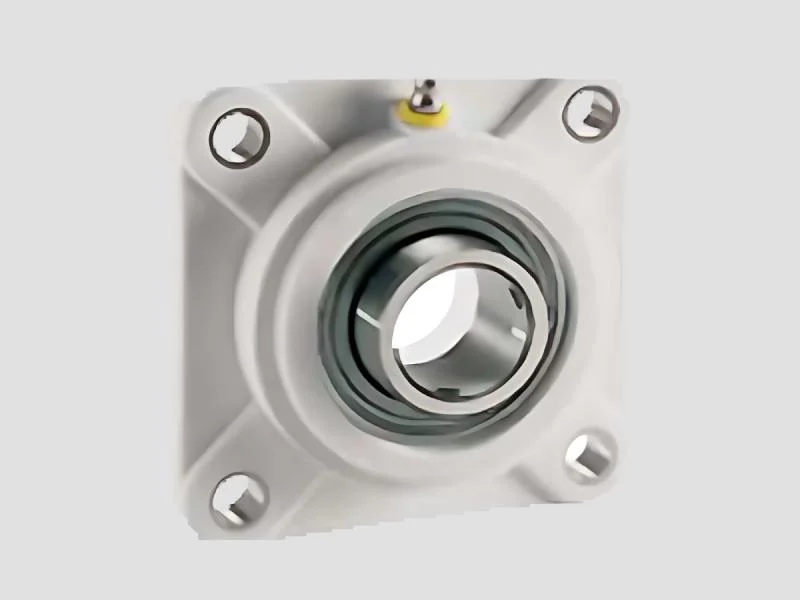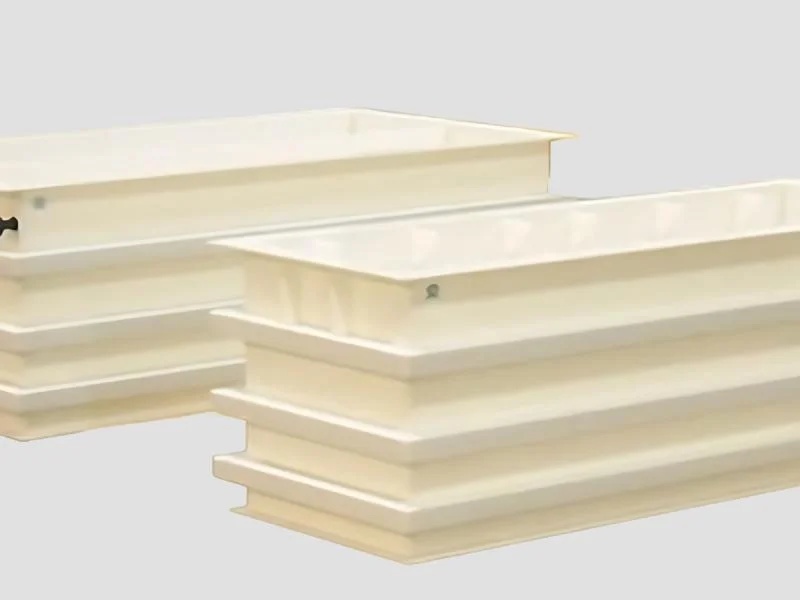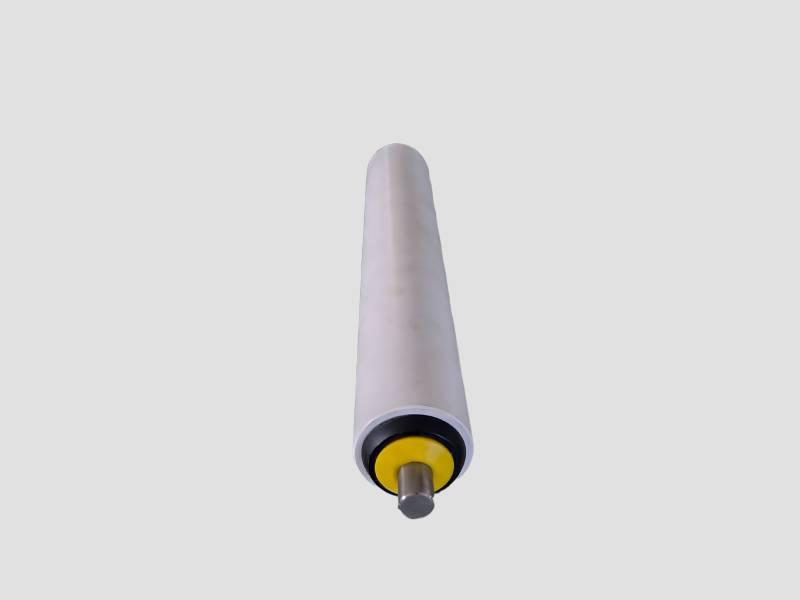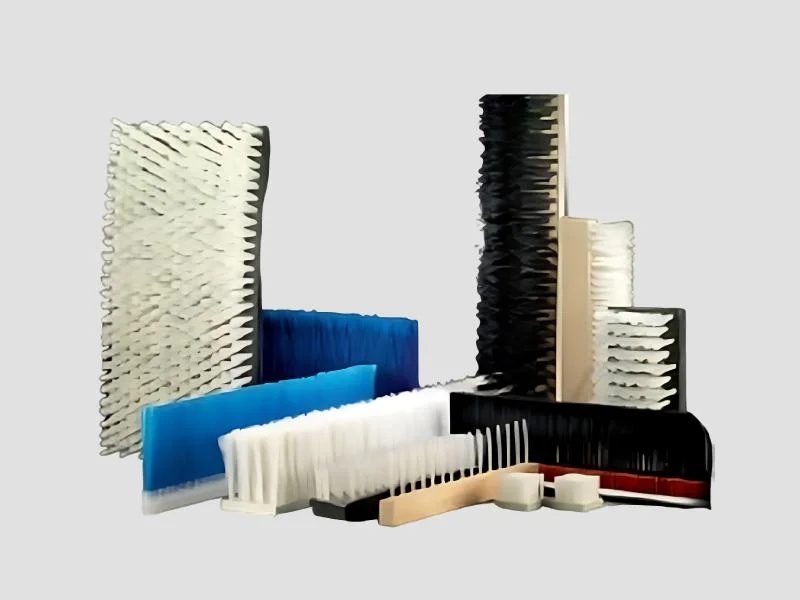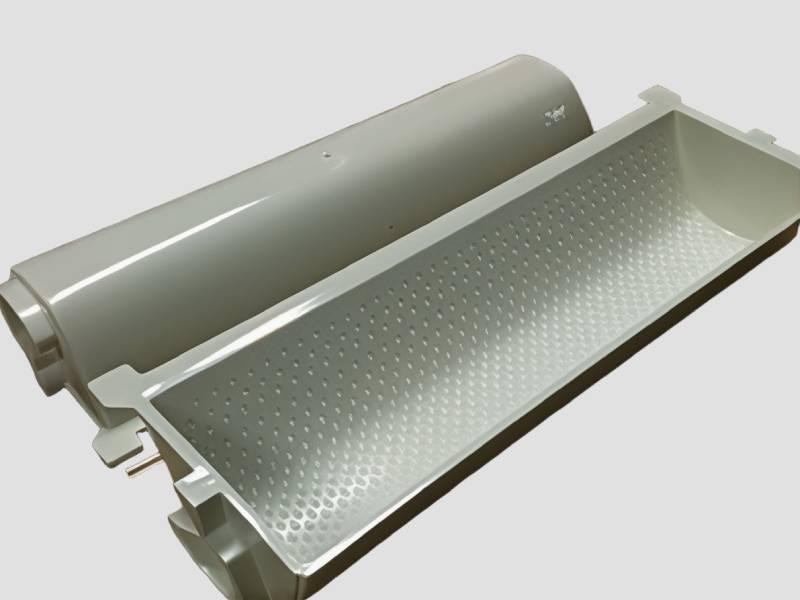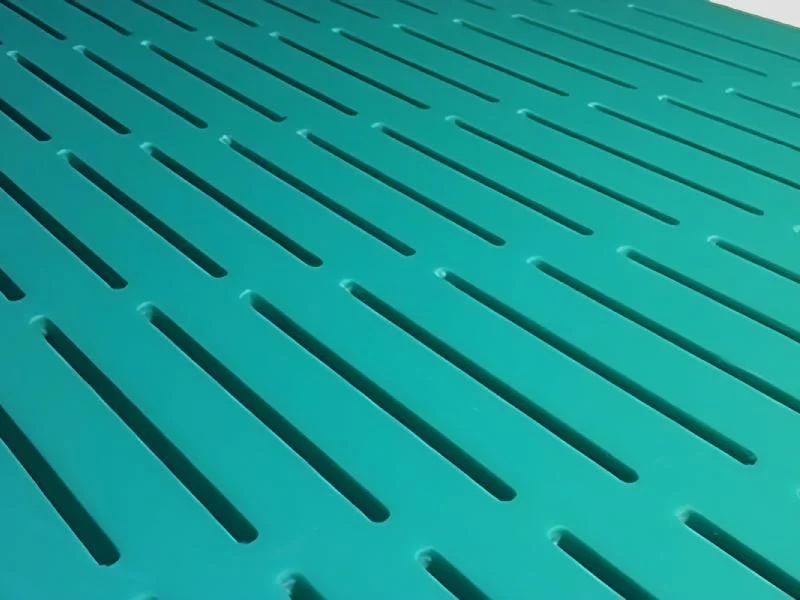
UHMWPE (Ultra-High Molecular Weight Polyethylene) is a high-performance engineering plastic renowned for its exceptional strength, toughness, and impact resistance, outperforming carbon steel in abrasion resistance while being significantly lighter. With an extremely low coefficient of friction and self-lubricating properties, it reduces energy consumption and eliminates the need for external lubricants, making it ideal for high-wear environments. This material offers excellent chemical resistance, withstanding acids, alkalis, and solvents, and maintains structural integrity across a broad temperature range from -150°C to +80°C. Available in versatile forms such as sheets, rods, tubes, and custom profiles, UHMWPE is widely used in conveyor systems, bulk handling equipment, food processing machinery, automotive components, and logistics applications to enhance durability, reduce maintenance, and lower operational costs.
Key Attributes
Industry-specific Attributes
- Properties High strength, toughness, and impact resistance
- Wear Performance Excellent wear and abrasion resistance (outperforms carbon steel)
- Durability Chemical resistance, thermal stability, and UV resistance
Other Attributes
- Function Self-lubricating with low coefficient of friction (non-stick)
- Weight Lightweight yet durable (ideal for replacing metal components)
- Forms Available as sheets, rods, tubes, and custom profiles
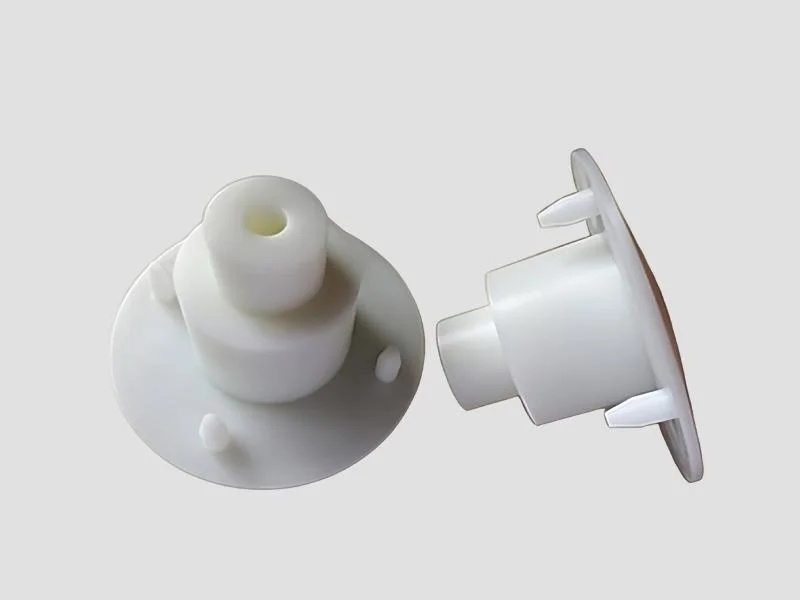
HDPE (High-Density Polyethylene) is a versatile and robust thermoplastic renowned for its exceptional strength-to-density ratio, making it ideal for heavy-duty industrial applications. With outstanding chemical and corrosion resistance, it withstands exposure to acids, alkalis, solvents, and harsh environmental conditions, ensuring longevity in demanding settings. Its lightweight yet durable nature reduces operational costs and simplifies installation, while FDA-approved grades cater to food processing, packaging, and pharmaceutical industries requiring strict hygiene compliance. UV-stabilized formulations offer superior weatherability, preventing degradation from sunlight or moisture outdoors. Available in sheets, rods, and custom profiles, HDPE is easily machined, welded, and fabricated into components like tanks, liners, conveyor parts, and marine fixtures. This material combines practicality with performance, delivering reliability across sectors like chemicals, agriculture, logistics, and infrastructure.
Key Attributes
Industry-specific Attributes
- Material High-Density Polyethylene (HDPE)
- Strength High strength-to-density ratio for robust performance
- Resistance Excellent chemical and corrosion resistance
Other Attributes
- Durability Lightweight yet highly durable
- Compliance FDA-approved grades available for food contact
- Weathering UV and weather resistant for outdoor use
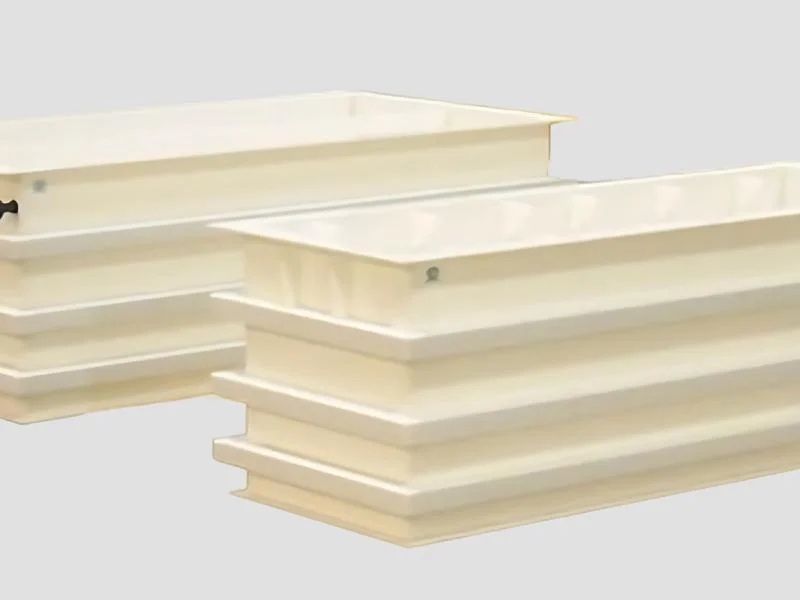
Polypropylene (PP) is a highly versatile and cost-effective thermoplastic polymer valued for its exceptional balance of properties. It features a lightweight and rigid structure that provides excellent structural integrity while reducing overall weight in industrial applications. PP offers outstanding chemical and corrosion resistance, effectively withstanding exposure to acids, alkalis, and solvents, making it ideal for harsh chemical environments. The material demonstrates high impact strength and durability, ensuring long-lasting performance even under repetitive stress and mechanical loads. With good thermal and electrical insulation properties, PP is suitable for various electrical components and applications requiring thermal stability. Available in FDA-compliant and food-grade qualities, it meets stringent hygiene standards for food processing, pharmaceutical, and medical applications. Easily fabricated through machining, welding, and thermoforming, PP is widely used in tanks, containers, automotive parts, and consumer products, offering reliable performance and economic efficiency.
Key Attributes
Industry-specific Attributes
- Material Polypropylene (PP)
- Structure Lightweight and rigid
- Resistance Excellent chemical and corrosion resistance
Other Attributes
- Durability High impact strength and long-lasting performance
- Insulation Good thermal and electrical insulation properties
- Compliance FDA and food-grade quality options available
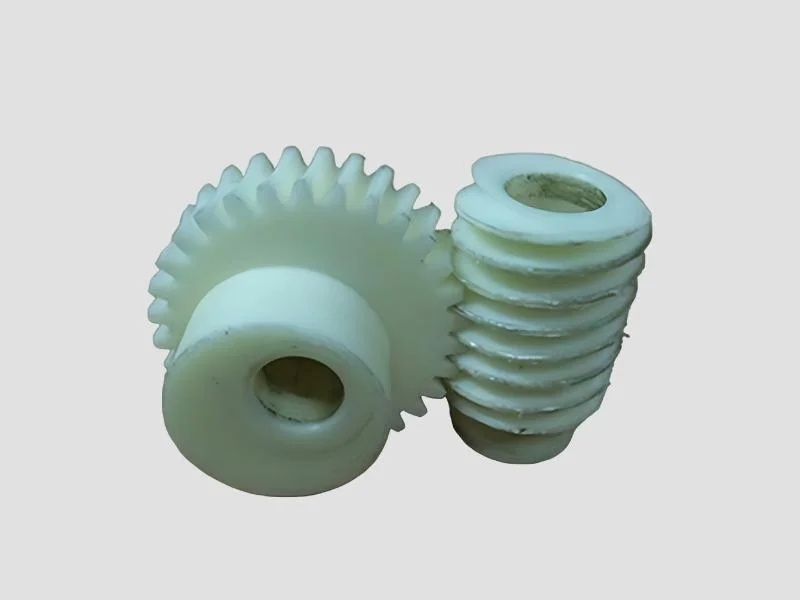
Cast Nylon (Nylon 6/66) is a premium engineering thermoplastic renowned for its exceptional mechanical properties and versatility in demanding industrial applications. Manufactured through a casting process, it delivers superior high mechanical strength and stiffness, making it an ideal metal replacement for components subjected to heavy loads and repetitive stress. Its inherently low coefficient of friction and self-lubricating properties reduce energy consumption and minimize wear on mating surfaces, ensuring smooth operation without external lubricants. The material exhibits excellent wear and abrasion resistance, outperforming many metals and plastics in high-friction environments. With outstanding machinability, Cast Nylon can be easily precision-machined into gears, bearings, bushings, and custom parts with tight tolerances. Additionally, it offers good chemical resistance to oils, solvents, and alkalis, further broadening its industrial utility. Cost-effective, lightweight, and durable, Cast Nylon is widely used in automotive, manufacturing, material handling, and machinery sectors to enhance performance, reduce maintenance, and extend equipment lifespan.
Key Attributes
Industry-specific Attributes
- Material Cast Polyamide
- Mechanical Properties High strength and stiffness
- Friction Low coefficient of friction
Other Attributes
- Wear Resistance Excellent wear and abrasion resistance
- Machinability Good machinability for precision parts
- Lubrication Self-lubricating properties
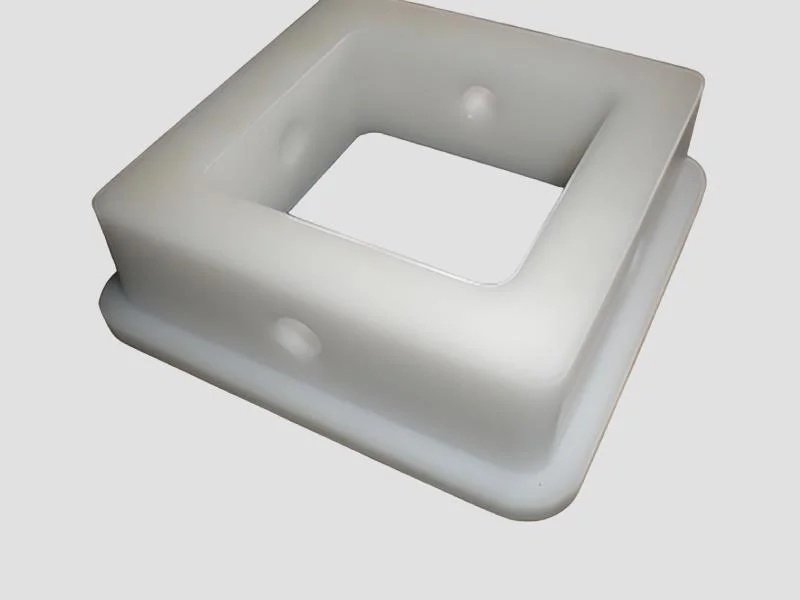
POM (Polyoxymethylene), commercially known as Acetal or Delrin, is a high-performance engineering thermoplastic renowned for its exceptional mechanical properties, outstanding dimensional stability with minimal moisture absorption (<0.25%), and high strength and stiffness, making it ideal for replacing metals in applications requiring lightweight yet robust components. Featuring a low coefficient of friction and self-lubricating properties for smooth operation without external lubrication, it demonstrates excellent chemical resistance to hydrocarbons, solvents, and neutral chemicals while maintaining good wear resistance in continuous operation. With superior machinability for precision engineering of complex components like gears, bearings, and bushings, POM delivers reliable performance across automotive, industrial, consumer, and electrical applications where precision, durability, and low maintenance are critical.
Key Attributes
Industry-specific Attributes
- Material Polyoxymethylene
- Mechanical Properties High strength and stiffness
- Dimensional Stability Excellent, with low moisture absorption
Other Attributes
- Chemical Resistanc Good resistance to chemicals and wear
- Friction Properties Self-lubricating with low friction
- Machinability Easy to machine into precision parts
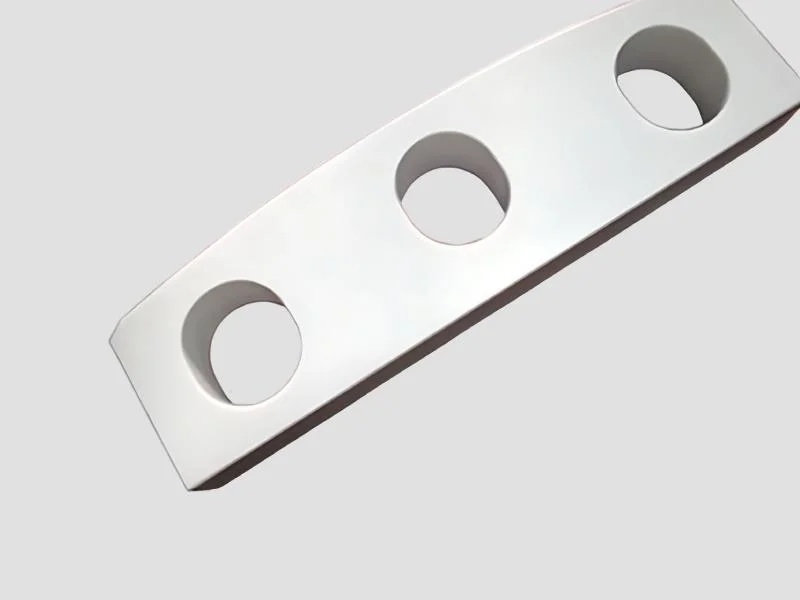
PET (Polyethylene Terephthalate) is a high-performance engineering plastic renowned for its exceptional mechanical properties and durability in demanding applications. It offers high mechanical strength and stiffness, making it suitable for components subjected to significant stress and load. The material exhibits excellent wear and fatigue resistance, ensuring long-term performance even under repetitive motion or high-friction conditions. With very low moisture absorption (<0.1%), PET maintains its structural integrity and dimensional stability in humid or wet environments, preventing warping or degradation. Its high dimensional stability allows it to perform reliably across a wide temperature range, while its good electrical insulating properties make it ideal for electronic and electrical components. PET is also resistant to chemicals, solvents, and abrasion, further broadening its industrial utility. Easily machinable into precision parts, it is widely used in automotive, electrical, mechanical, and consumer applications where reliability, durability, and performance are critical
Key Attributes
Industry-specific Attributes
- Material Polyethylene Terephthalate
- Mechanical Properties High strength and stiffness
- Durability Excellent wear and fatigue resistance
Other Attributes
- Moisture Resistance Very low moisture absorption
- Dimensional Stability High stability under various conditions
- Electrical Properties Good electrical insulation
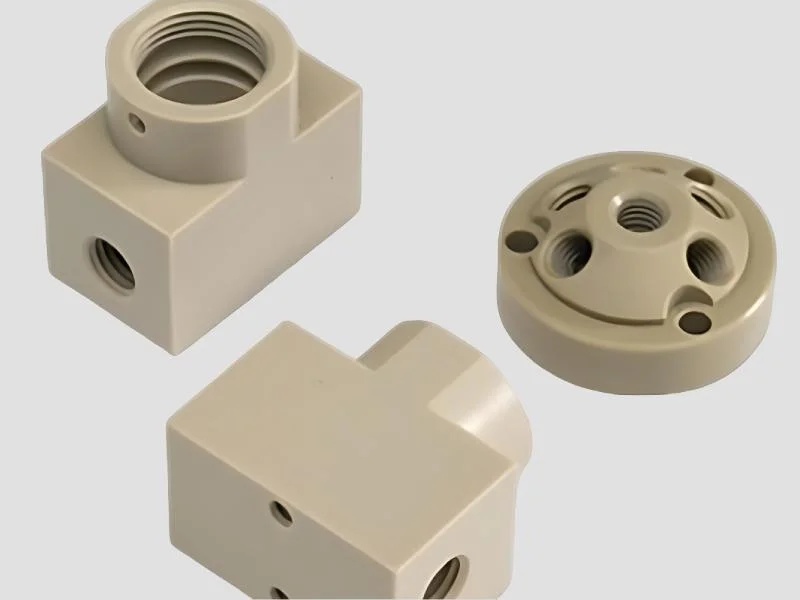
PEEK (Polyether Ether Ketone) is a premium high-performance thermoplastic renowned for its exceptional mechanical, thermal, and chemical properties, making it ideal for the most demanding industrial applications. It exhibits outstanding strength and rigidity at elevated temperatures, with a continuous service temperature up to 260°C (480°F), and offers excellent resistance to wear, creep, and fatigue even under prolonged stress. PEEK maintains its structural integrity in harsh environments, with inherent flame retardancy, low smoke emission, and exceptional resistance to a wide range of chemicals, including acids, bases, and organic solvents. Its low moisture absorption and high dimensional stability ensure reliable performance in fluctuating temperatures and humid conditions. With excellent electrical insulation properties and compatibility with sterilization methods, PEEK is widely used in aerospace, automotive, medical, and semiconductor industries for components such as bearings, seals, piston parts, insulation elements, and surgical instruments
Key Attributes
Industry-specific Attributes
- Material Polyethylene Terephthalate
- Wear Resistant Handles friction and cyclic loads
- Low Moisture Absorption <0.1% for humid environments
Other Attributes
- Dimensional Stability Resists warping under stress
- Electrical Insulation Good dielectric properties
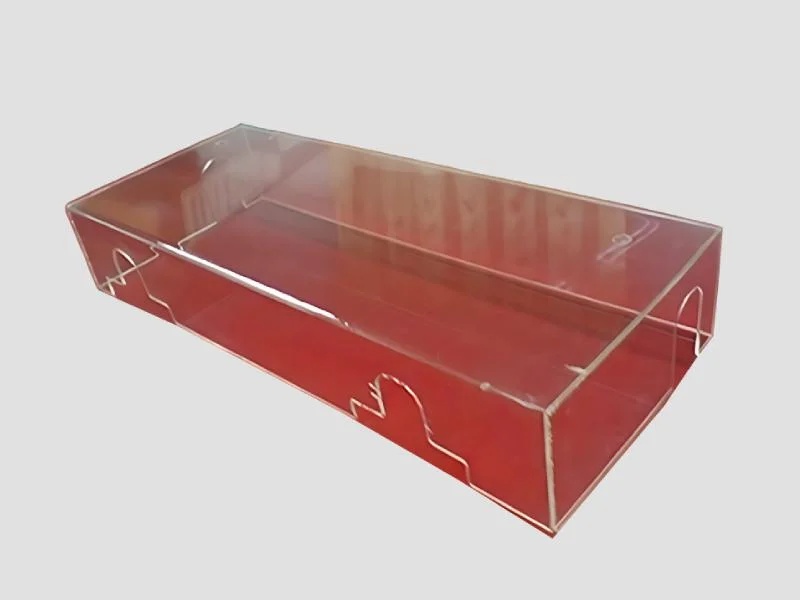
Acrylic (PMMA) and Polycarbonate (PC) are high-performance engineering plastics designed for applications requiring optical clarity, durability, and versatility. Acrylic (PMMA), marketed under brands like AcryLite®, offers exceptional optical clarity (comparable to glass), high surface hardness, and excellent weather resistance, making it ideal for displays, signage, and decorative panels. It is inherently UV-stable, non-yellowing, and easy to fabricate into custom shapes. Polycarbonate (PC), known as DuraCarbon®, provides extreme impact resistance (up to bullet-resistant grades), high thermal stability, and good optical properties, though with slight haze compared to PMMA. It withstands harsh environments, offers inherent flame retardancy, and is suitable for safety-critical applications like machine guards, automotive components, and protective gear. Both materials are available in sheets, rods, tubes, and custom profiles with finishes ranging from clear to mirrored, enabling seamless integration into industrial, commercial, and creative projects.
Key Attributes
Industry-specific Attributes
- Material Types Acrylic (PMMA) / Polycarbonate (PC)
- Optical Clarity Excellent (PMMA) / Very Good (PC)
- Impact Resistance Moderate (PMMA) / Extremely High (PC)
- Weather Resistance Excellent
Other Attributes
- UV Stability High
- Fabrication Ease Easy to cut, drill, bend, and thermoform
- Available Forms Sheets, rods, tubes, custom profiles
- Surface Finishes Clear, tinted, opaque, textured, mirrored
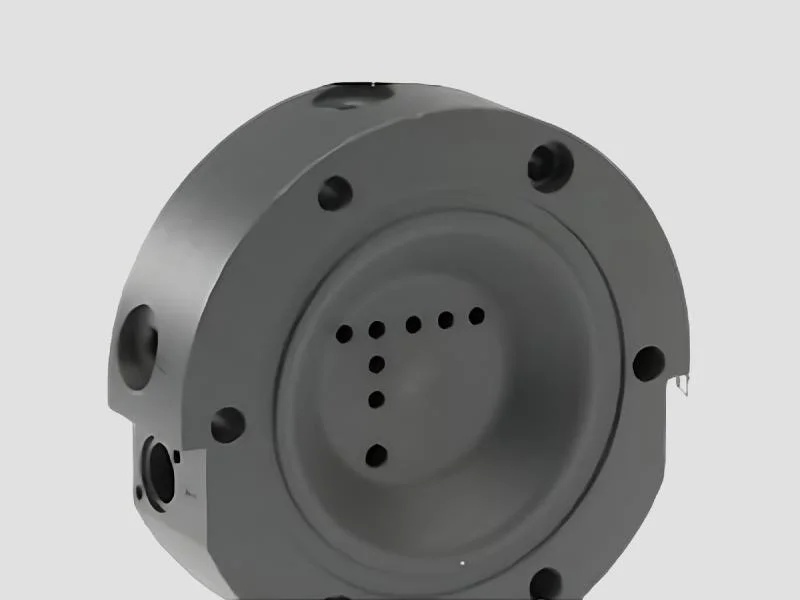
PVC (Polyvinyl Chloride) is a highly versatile and cost-effective engineering thermoplastic available in three primary formulations—Rigid PVC (UPVC) for structural applications like piping and window frames, Flexible PVC with plasticizers for bendable cables and medical tubing, and CPVC with chlorination for high-temperature resistance in hot water systems. Known for its exceptional durability, chemical resistance to acids and alkalis, inherent flame retardancy (UL94 V-0 rated), and excellent electrical insulation properties, PVC can be customized with UV stabilizers, pigments, and additives for enhanced performance. Easily fabricated into sheets, rods, pipes, and custom profiles, it is widely used in construction, electrical conduits, medical devices, and automotive components due to its adaptability, safety features, and cost-efficiency
Key Attributes
Industry-specific Attributes
- Material Types Rigid PVC (UPVC), Flexible PVC, CPVC
- Durability High mechanical strength and long-term wear resistance
- Chemical Resistance Excellent resistance to acids, alkalis, and corrosion
Other Attributes
- Flame Retardancy Self-extinguishing properties
- Electrical Insulation High dielectric strength for electrical applications
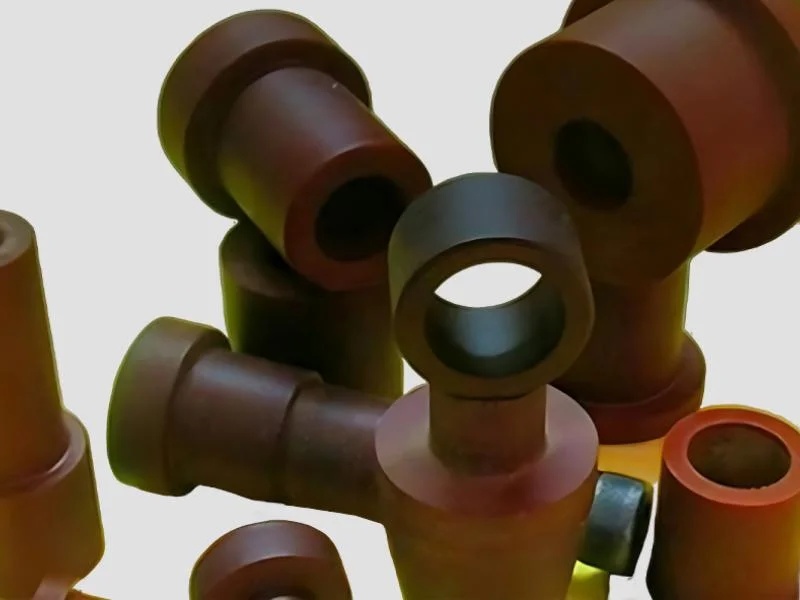
HYLAM specializes in manufacturing high-performance Bakelite laminated sheets, rods, and tubes, alongside engineering plastics like nylon, PVC, and PTFE, engineered for demanding industrial applications. These materials are renowned for their exceptional electrical insulation properties, making them ideal for electrical panels, switchgear, and PCB insulation. With a heat resistance of up to 140°C, they maintain structural integrity in high-temperature environments, while their high mechanical strength and rigidity ensure durability under heavy loads and repetitive use. Compliant with UL 94 V-0 flame retardancy standards, these sheets are self-extinguishing and enhance safety in electrical and machinery applications. Customizable in thicknesses ranging from 0.3mm to 80mm and available in standard colors like black, orange, and coffee, HYLAM products can be precision-machined into custom profiles, gears, bearings, and insulating components. Additional features include anti-static properties and resistance to chemicals, moisture, and wear, serving industries such as electrical engineering, automotive, aerospace, and industrial machinery.
Key Attributes
Industry-specific Attributes
- Material Types Bakelite
- Electrical Insulation High dielectric strength
- Heat Resistance Up to 140°C
- Mechanical Strength High rigidity and load-bearing capacity
Other Attributes
- Flame Retardancy Self-extinguishing
- Forms Sheets, rods, tubes, custom profiles
- Thickness Range 0.3mm to 80mm
- Color Options Black, orange, coffee